Walk into most Indian homes, and you'll find the same story playing out quietly in the background: a water pump that runs too long and burns out before its time, a voltage spike during a storm that silently damages the refrigerator or television, a borewell controller that has no idea whether the tank is full
Walk into most Indian homes, and you’ll find the same story playing out quietly in the background: a water pump that runs too long and burns out before its time, a voltage spike during a storm that silently damages the refrigerator or television, a borewell controller that has no idea whether the tank is full or empty. These aren’t dramatic failures. They’re slow, invisible drains on your appliances, your electricity bill, and your peace of mind.
The good news? Every single one of these problems is solvable. And the solution isn’t complicated; it’s smart.
The Real Cost of “Just Getting By”
Most of us have been conditioned to treat power surges and pump overruns as facts of life. The voltage fluctuates; that’s just how it is in India. The pump runs dry sometimes; it happens. We replace the appliance, grumble about the expense, and move on.
But what if we stopped accepting those losses as normal?
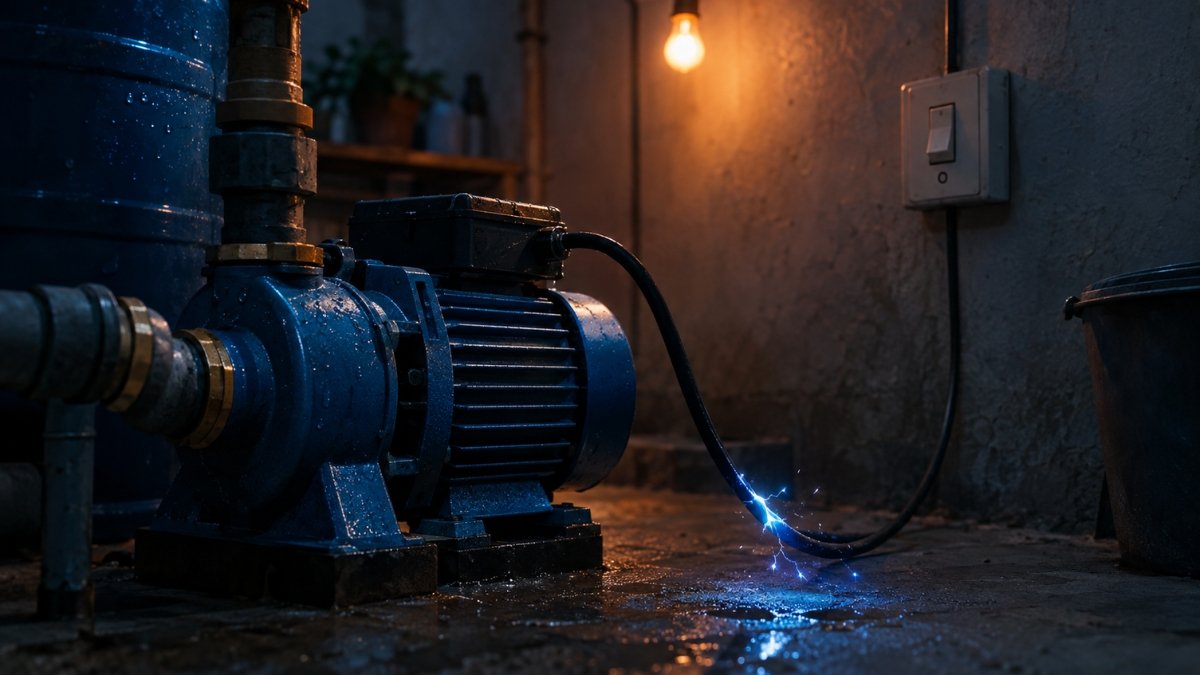
A single voltage spike can shorten the lifespan of an air conditioner compressor by years. A pump that runs dry even a few times a month wears out its motor far faster than it should. Water that overflows because there’s no level controller in place isn’t just wasted; it’s electricity wasted too, running a pump that didn’t need to run.
Across millions of homes and farms in India, these small inefficiencies add up to a staggering amount of avoidable damage and waste. Smart resource management isn’t about going green for the sake of it. It’s about protecting what you’ve already paid for.
What Smart Water Management Actually Looks Like
In Indian households, water management tends to be either manual or guesswork. Someone climbs up to check the overhead tank. The pump runs until someone remembers to switch it off. Irrigation happens on a fixed schedule regardless of whether the soil actually needs water.
Modern water management solutions change all of that.
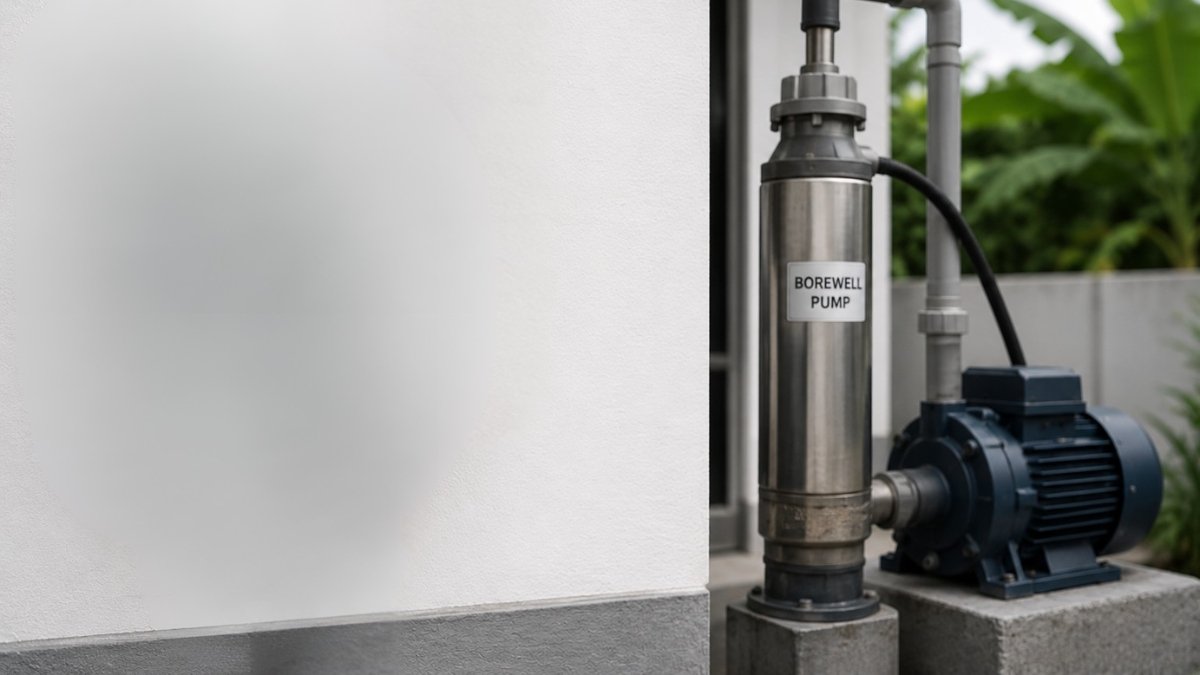
Smart pump controllers can automatically detect when a tank is full and cut off the motor, no overflow, no wasted electricity, no dry-run damage. Multifunction water level management systems monitor your storage in real time and give your pump exactly the instructions it needs, nothing more. For agriculture, waterwise irrigation controllers take the guesswork out of when and how much to water, helping farmers use significantly less water without sacrificing crop yield.
These aren’t luxury features. In a country where water scarcity is a growing reality and electricity is expensive, they’re practical tools that pay for themselves.
Power Protection: The Problem Hiding in Your Walls
India’s power grid is improving, but voltage fluctuations remain a daily reality across much of the country, especially during peak demand hours, monsoon season, and in areas far from urban centres.
The damage this causes is real and ongoing. Sensitive electronics are the first to suffer. Modern inverter ACs, washing machines, smart TVs, and refrigerators are designed to operate within tight voltage tolerances. When the supply drifts outside those limits, even briefly, internal components degrade. Sometimes the appliance fails immediately. More often, it just gets quietly worse over time, until one day it stops working and no one can explain why.
Voltage regulators and appliance protection devices act as a buffer between unstable grid power and your valuable equipment. They stabilise incoming voltage, protect against sudden spikes and surges, and in some cases can automatically switch between phases when one phase drops out, a feature that’s invaluable for homes and small businesses dealing with frequent single-phase failures.
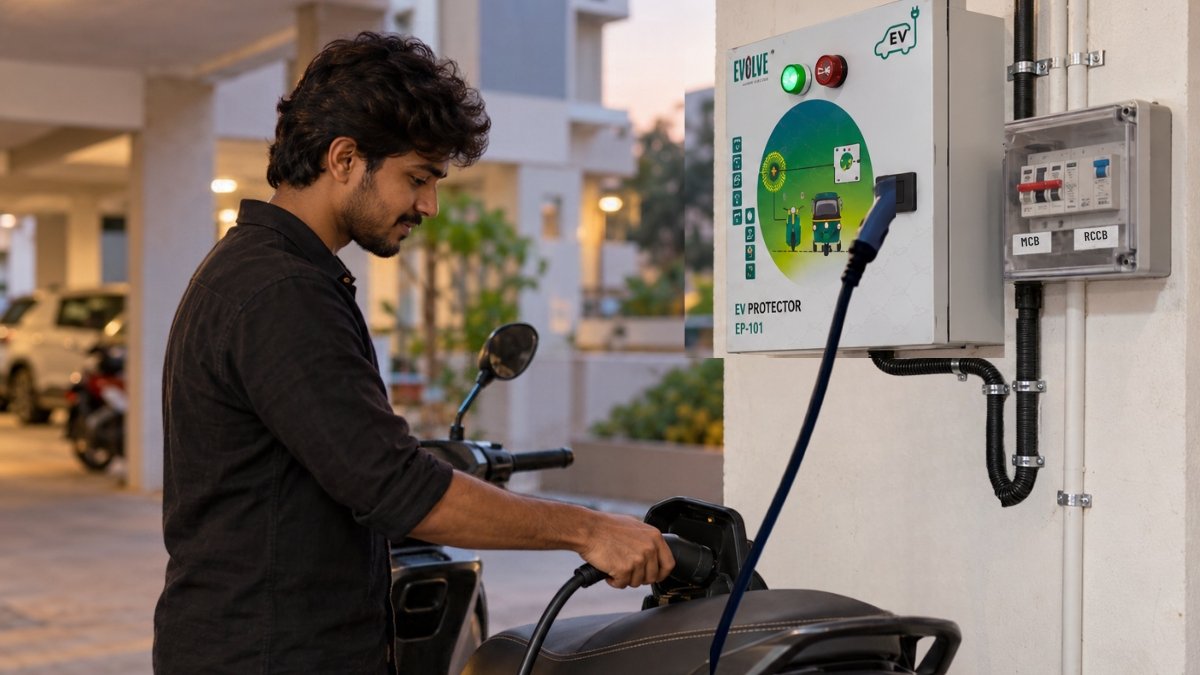
With the rapid adoption of electric vehicles across India, EV protection has become a new frontier. EV charging systems are sensitive, expensive, and often running overnight when no one is watching. Dedicated EV protectors ensure that your vehicle charges safely, regardless of what the grid is doing at 2 AM.
Why This Matters Especially in India Right Now
India is in the middle of a massive electrification wave. More appliances, more EVs, more solar installations, more small and medium businesses running sophisticated equipment. All of this is happening on a grid that is expanding but still uneven in quality.
At the same time, water stress is intensifying. Groundwater levels are falling in many states. Borewells are going deeper. Municipalities are under pressure. For farmers, every litre of water is money, and every hour of pump operation is a fuel or electricity cost.
In this context, smart water and power management isn’t a nice-to-have. It’s a practical necessity for anyone who wants to protect their investments, lower their operating costs, and stop accepting preventable losses as the cost of doing business.
Smarter Choices Start at Home
The shift toward intelligent resource management doesn’t require a massive overhaul. It starts with one decision at a time: choosing a pump controller that protects your motor instead of running it until it fails, opting for appliance protection that stands between your electronics and an unpredictable grid, or installing a pressure booster that ensures consistent water flow without overworking your system.
These are small changes with outsized impact. And in a country where resources are precious, and grid reliability is still catching up, making those smarter choices isn’t just good for your home or your farm; it’s good thinking, full stop.
At Evolve, we build products for exactly this reality: smart, reliable solutions that protect your water systems and your appliances from the everyday unpredictability of Indian infrastructure. Because managing resources well isn’t about doing more. It’s about losing less.