Most people think about Smart irrigation as a water-saving tool. And sure, that's the headline benefit: fewer wasted gallons, lower water bills, healthier lawns that aren't drowning or dying of thirst. But there's a quieter benefit that almost nobody talks about until their pump burns out and they're staring at a repair bill they didn't
Most people think about Smart irrigation as a water-saving tool. And sure, that’s the headline benefit: fewer wasted gallons, lower water bills, healthier lawns that aren’t drowning or dying of thirst. But there’s a quieter benefit that almost nobody talks about until their pump burns out and they’re staring at a repair bill they didn’t see coming: your irrigation pump motor lives a much easier life when a smart system is running the show.
If you’ve ever owned a pump, you know they’re not cheap to replace. And the sad part is, a lot of pump failures aren’t really about the pump being “bad”; they’re about how it was used. Motors get pushed too hard, run when they shouldn’t, or get switched on and off in ways that stress the internal components. Over time, that adds up. Smart irrigation happens to fix most of these bad habits without you even trying.
The Problem With Old-School Timers
Traditional irrigation timers are dumb in the most literal sense. They don’t know if it rained last night. They don’t know if the soil is already saturated. They just fire the pump on a schedule, rain or shine, dry season or monsoon.
That means your pump motor could be starting up every single day, sometimes multiple times a day, whether the yard actually needs water or not. Every startup cycle puts a small amount of wear on the motor; there’s a surge of current the moment it kicks on, more friction, more heat. Multiply that by years of unnecessary cycles, and you’re looking at a motor that’s aged way faster than it should have.
Fewer Cycles, Less Wear
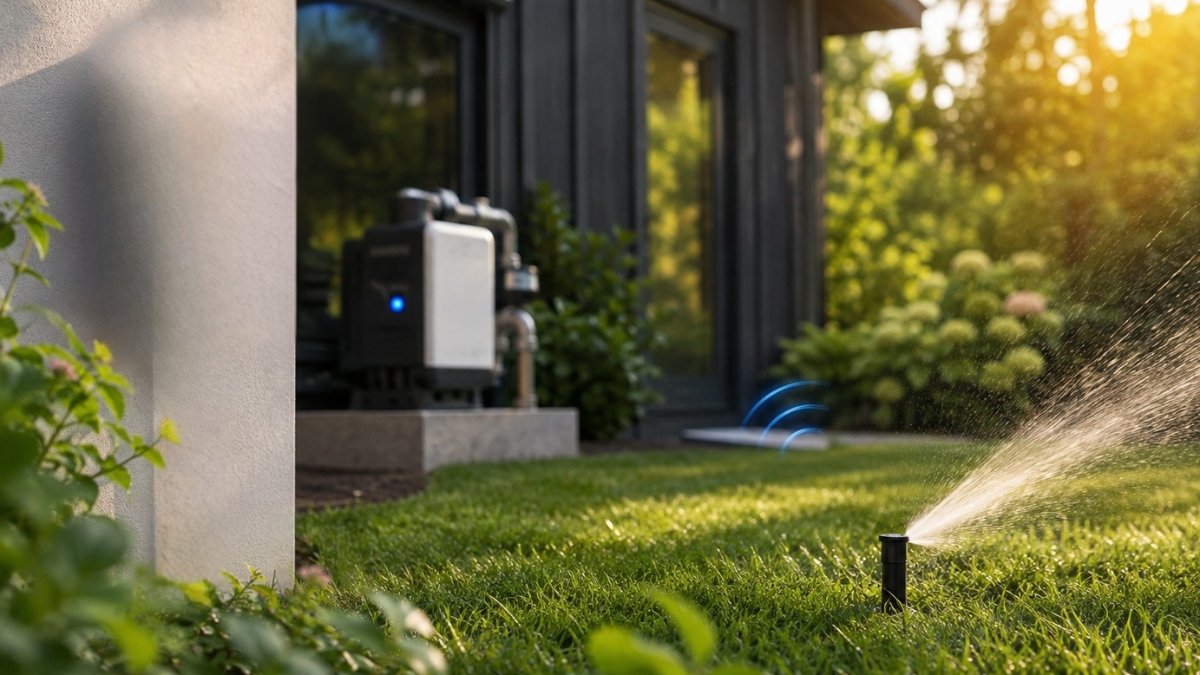
This is where Smart irrigation quietly earns its keep. These systems use weather data, soil moisture sensors, or both, to decide whether watering is actually necessary. No rain in the forecast and the soil’s dry? It runs. Storm just rolled through and the ground’s soaked? It skips the cycle entirely.
Fewer unnecessary cycles means fewer startups for your pump. And since startup is genuinely the most stressful moment in a motor’s life- that jolt of current, the mechanical strain of going from a dead stop to full speed- cutting down on how often it happens has a real, measurable effect on how long the motor lasts.
Smarter Systems Catch Problems Early
A lot of newer smart controllers do more than decide when to water. Some are paired with flow sensors that monitor water pressure and flow rate in real time. If something’s off, a clogged line, a stuck valve, a leak- the system can flag it or shut things down automatically instead of letting the pump keep grinding away against a blockage.
That matters more than people realize. A pump running against a closed or clogged valve doesn’t have anywhere for the water (and the pressure) to go. It’s basically working against itself, and that kind of resistance is exactly the sort of thing that overheats a motor or wears down its bearings prematurely. Older systems have no way of knowing this is happening. They just keep running until something breaks or someone notices the yard isn’t getting wet.
Dry-Run Protection
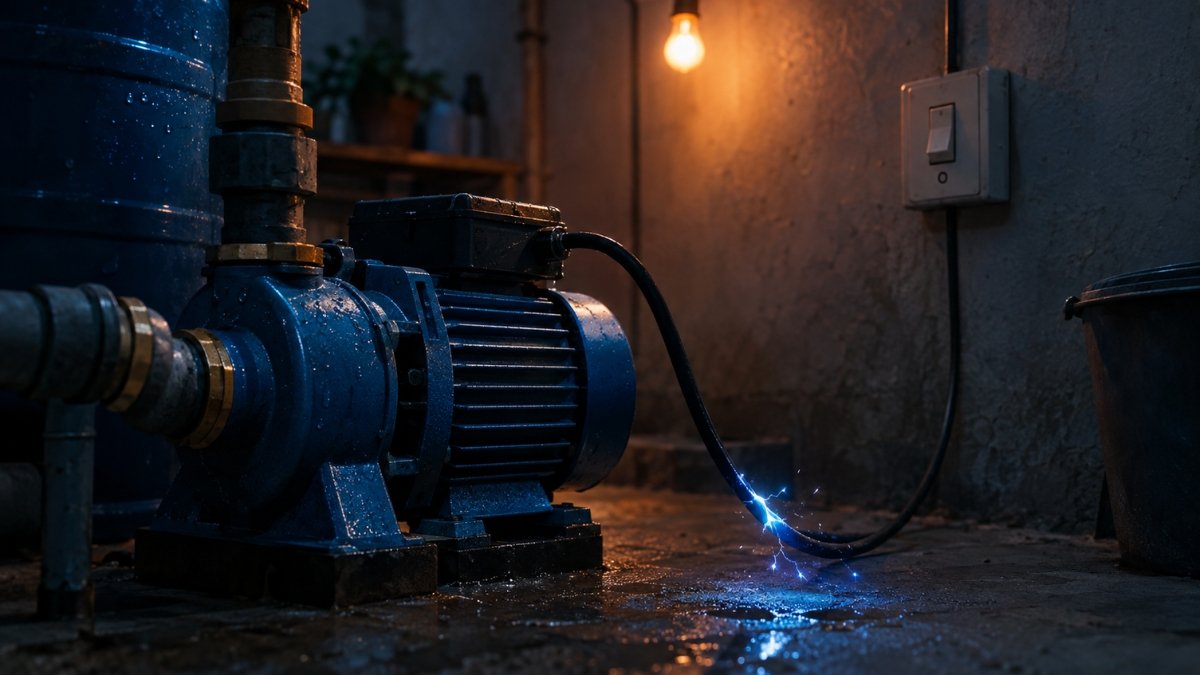
Pumps hate running dry. If a pump loses its water supply, say a well runs low, or a line gets disconnected, but keeps spinning anyway, it can overheat in minutes. No water means no cooling, and no lubrication for certain components either.
Many Smart irrigation setups include dry-run protection as a built-in feature, automatically cutting power to the pump if it detects there’s no water moving through the system. It’s a small thing, but it’s often the difference between a pump that lasts a decade and one that dies in its second summer.
Steadier Pressure, Steadier Motor
Pressure spikes are another quiet killer of pump motors. When valves open and close abruptly, or when multiple zones try to draw water at once, pressure can swing wildly. That instability puts extra load on the motor and, over time, can loosen fittings or stress seals throughout the system.
Smart controllers tend to stagger zones and manage flow more evenly, which keeps pressure more consistent. A motor running under steady, predictable conditions just doesn’t work as hard as one that’s constantly reacting to swings in demand.
It’s Not Just About the Water Bill
When people shop for Smart irrigation, they’re usually chasing lower water bills or a greener lawn. Fair enough, those are real, tangible perks. But the pump protection side of things is arguably just as valuable, especially if you’ve ever had to pay for an emergency pump replacement or repair.
Think of it this way: every unnecessary cycle you skip, every dry-run shutdown, every pressure spike you avoid, that’s wear and tear your motor never has to deal with. It’s the kind of savings you don’t notice month to month, but you’ll absolutely notice five or ten years down the line when your pump is still running strong instead of sitting in a landfill.
Final Thoughts
If you’re on the fence about upgrading your irrigation setup, the water savings alone might be worth it. But don’t overlook the mechanical side of the equation. A Smart irrigation system isn’t just watching your lawn; it’s watching your equipment too, cutting down on the everyday stress that quietly shortens a pump motor’s life. Protecting your investment doesn’t always mean buying something new. Sometimes it just means giving what you already have an easier job to do.