Ask any farmer what keeps them up at night, and water will come up fast. Not just whether there’s enough of it, but who will open the valve at 5 a.m., who will check the far field, and who will shut it off before the soil turns to slush. For generations, irrigation has meant people.
Ask any farmer what keeps them up at night, and water will come up fast. Not just whether there’s enough of it, but who will open the valve at 5 a.m., who will check the far field, and who will shut it off before the soil turns to slush.
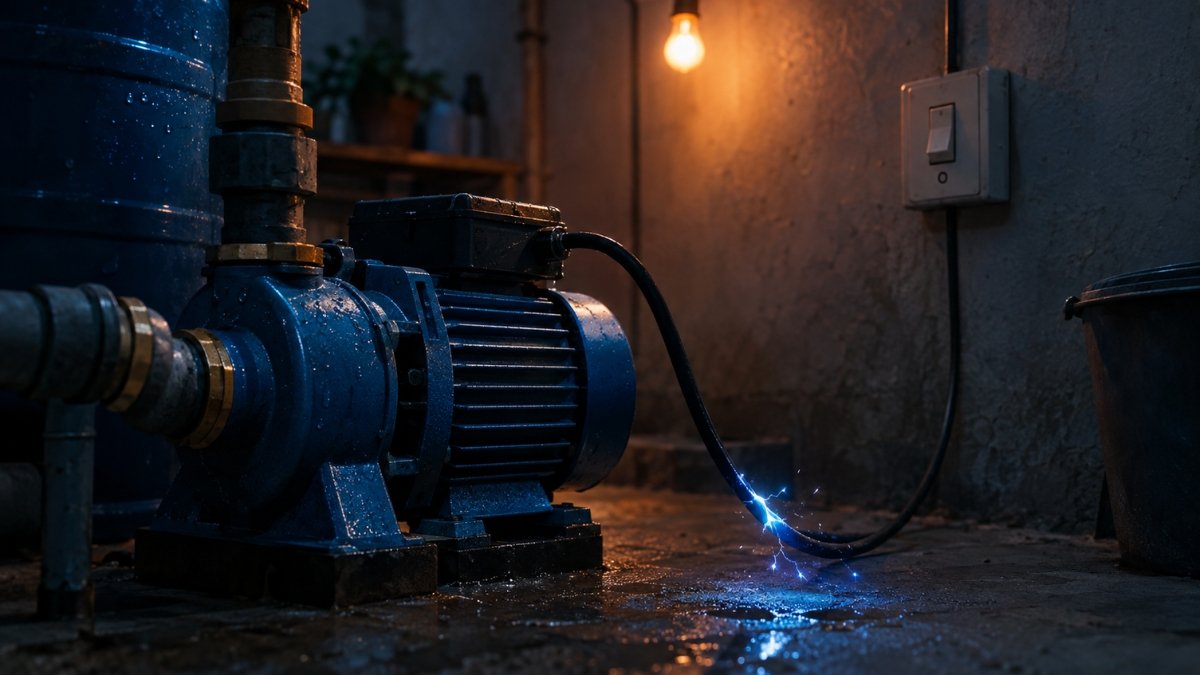
For generations, irrigation has meant people. Someone walks the rows, someone turns the pumps on, someone watches for leaks. It works, until the workers don’t show up, wages go up, or the one person who knows your field’s quirks quits in the middle of the season.
This is where Smart Irrigation changes the picture.
The Hidden Labour Cost of Traditional Irrigation
Most farmers count seed, fertiliser, and fuel as their major costs. Labour spent on watering often slips under the radar, but it adds up quickly:
- Workers opening and closing valves by hand, often at odd hours
- Daily field walks just to check whether the soil is dry
- Time spent hunting for leaks or blocked lines
- Repeated trips to switch motors on and off
- Supervisors needed to make sure the job was actually done
Multiply that by every day of the growing season, and irrigation can quietly eat up a big share of your labour budget. And it’s skilled labour too. Someone has to know when to water, not just how.
What Smart Irrigation Actually Does
Put simply, Smart Irrigation uses sensors, timers, and connected controllers to water your crops based on what they actually need, not on guesswork or habit.
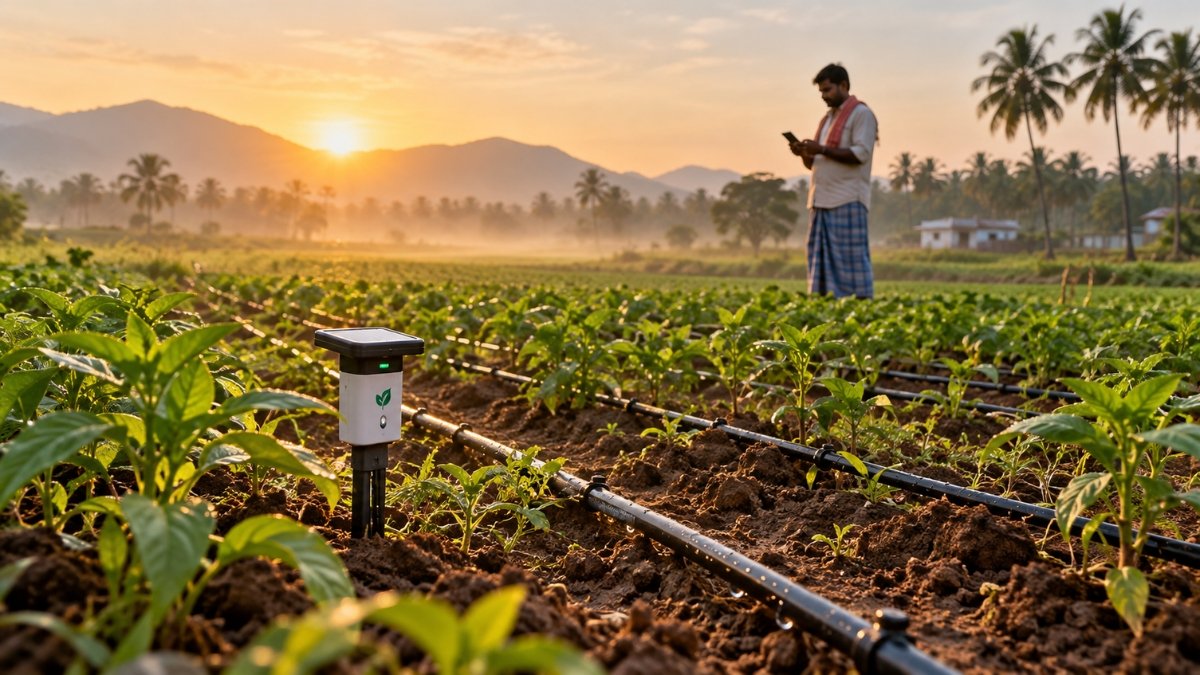
Soil moisture sensors tell the system how dry the ground is. Weather data tells it whether rain is coming. A controller then opens the valves, runs the pump, and shuts everything off at the right moment. Many setups connect to a phone app, so you can watch and control it all from your home, your tea stall, or a different town entirely.
No one has to stand in the field holding a hose.
Five Ways It Cuts Down Labour
1. Automation replaces manual valve work
Scheduled and sensor-triggered watering means no one needs to be physically present to start or stop irrigation. One person can manage what used to take a small crew.
2. Remote control saves travel time
Pump on, pump off, zone one, zone four: all from a phone. For farmers with scattered plots, this alone saves hours every week.
3. Fewer field checks
Sensors report moisture levels in real time, so you stop walking the fields just to “see how things look.” You go only when something needs attention.
4. Early alerts catch problems fast
A burst pipe or a clogged emitter used to be found by chance, often after damage was done. Smart Irrigation systems can flag pressure drops or flow problems immediately, saving both water and the labour of repairs after a long delay.
5. Less dependence on skilled judgment calls
Experienced farmhands know by feel when a field needs water. That knowledge is valuable, but it’s also hard to replace. Smart systems capture that decision-making in data, so your farm doesn’t fall apart if a key worker leaves.
A Quick Example
Imagine a ten-acre vegetable farm using flood irrigation. It might need three workers rotating through shifts, including early mornings and some nights. Now imagine the same farm with drip lines, soil sensors, and an automated controller. One person checks the app in the morning, glances at the alerts, and gets on with other work. The other two can be moved to harvesting, grading, or packing, jobs that genuinely need human hands.
That’s the real shift. Smart Irrigation doesn’t remove people from farming; it moves them toward work where they add the most value.
It Helps With the Labour Shortage Too
Farm labour is getting harder to find in many regions. Younger people are moving to cities, seasonal workers are unpredictable, and wages keep rising. Farms that depend heavily on manual irrigation feel this pressure first.
Automation gives you breathing room. When your watering is on schedule no matter who’s available, you’re no longer held hostage by absenteeism or peak-season shortages.
Water and Money Savings Come Along for the Ride
Less labour isn’t the only win. Because the system waters only when needed, you typically use less water, spend less on electricity for pumping, and see healthier, more even crop growth. Over-watering and under-watering both drop. Many farmers find the system pays for itself within a few seasons.
Is It Right for Every Farm?
Honestly, not every farm needs a full high-tech setup on day one. The good news is that Smart Irrigation scales. You can start small, maybe a timer-based controller on one plot or a few moisture sensors on your thirstiest crop, and expand as you see results.
A few things to consider before investing:
- Your crop type and water needs
- Reliability of power and internet connectivity
- Your budget and available subsidies or support schemes
- Local availability of service and spare parts
Talk to a supplier who will actually visit your land rather than sell you a one-size-fits-all package.
Final Thoughts
Farming will always need people. But it doesn’t need people doing repetitive, round-the-clock jobs that a sensor and a controller can handle quietly. Smart Irrigation frees up your time, your workers, and your money, so you can focus on the decisions that really shape your harvest.
If labour has been your biggest headache lately, watering is a smart place to start fixing it.