A friend of mine moved into a beautiful home right along the coast a few years ago. The sea view was everything she'd dreamed of. What she didn't expect was that her borewell water would start tasting faintly salty within the first monsoon season, or that her washing machine would develop rust stains long before
A friend of mine moved into a beautiful home right along the coast a few years ago. The sea view was everything she’d dreamed of. What she didn’t expect was that her borewell water would start tasting faintly salty within the first monsoon season, or that her washing machine would develop rust stains long before its time. Nobody warned her about saltwater intrusion, and honestly, most coastal homeowners don’t hear about it until it’s already a problem.
If you live near the coast, this is worth understanding before it costs you a water heater, a pump, or a season of crops.
What exactly is saltwater intrusion?
Picture the groundwater beneath your home like a sponge filled with fresh water, sitting right next to the sea. Normally, that fresh water pushes outward and keeps the saltwater at bay. But when too much groundwater gets pumped out, or when sea levels creep up, or during a dry spell with low rainfall, the balance tips. Saltwater starts moving inland and upward, right into the same aquifer people draw their water from.
It’s slow. It doesn’t announce itself with a flood or a visible change. One day your water just tastes a little different, or your pipes start corroding faster than they should, and that’s usually the first sign something’s wrong underground.
Why coastal homes feel it more than most
A few things make coastal properties especially vulnerable:
- Shallow borewells. Many coastal homes rely on borewells that aren’t very deep, which puts them closer to the saltwater layer below.
- Heavy local pumping. If several houses or farms in the area are drawing groundwater at the same time, the fresh water table drops faster than it can refill.
- Changing weather patterns. Longer dry spells and rising sea levels are making intrusion more common in many coastal belts than it was a decade ago.
- Older plumbing. Salt-laden water corrodes metal fittings, pumps, and heating elements far quicker than regular water does.
None of this means coastal living is a losing battle. It just means your home needs a different approach to water than someone living inland would use.
What actually helps: practical water management solutions
This is where things get hopeful. There’s a lot you can do, and most of it isn’t complicated once you understand the logic behind it.
1. Test your water regularly, not just when something seems off
Salinity creeps in gradually, so by the time you taste it, it’s often already fairly high. A simple TDS (Total Dissolved Solids) meter or a salinity test kit, run every few months, tells you where you stand long before your appliances start suffering. It’s inexpensive and takes a few minutes.
2. Rainwater harvesting
This is probably the single most effective thing a coastal home can do. Every monsoon, a huge amount of fresh water either runs off into drains or evaporates. Capturing it through rooftop collection and feeding it into a storage tank or back into the ground through a recharge pit does two jobs at once: it gives you usable fresh water and helps push back against saltwater trying to creep in underground.
3. Recharge wells and pits
Rather than letting rainwater simply drain away, a recharge well sends it straight back into the aquifer beneath your property. Over time, this keeps the fresh water table healthier and creates a buffer against intruding seawater. Many coastal communities are now adopting this at the neighbourhood level, not just in individual homes, because the benefits compound when everyone participates.
4. Desalination or RO filtration at the point of use
For homes already dealing with brackish water, a good reverse osmosis system strips out the excess salt before it reaches your tap. It’s not a long-term fix for the underlying intrusion problem, but it keeps your drinking and cooking water safe while you work on the bigger picture. Just know that RO systems need regular filter changes and produce some wastewater, so factor that into your planning.
5. Protecting your pumps and pipes
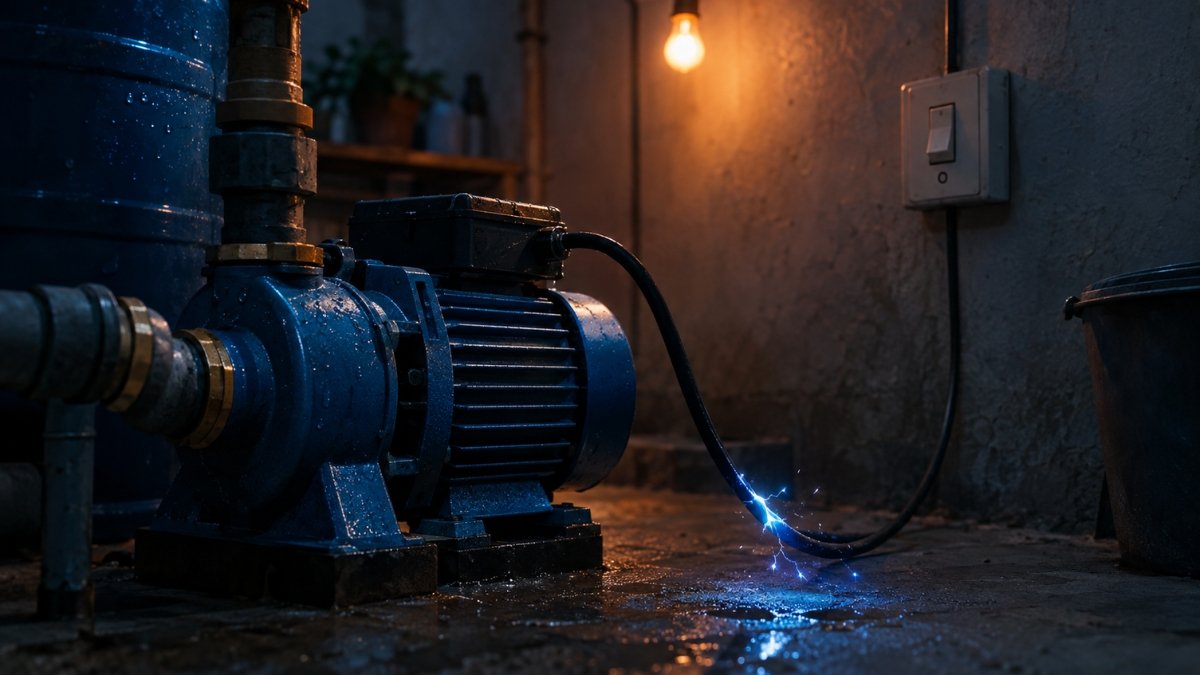
Saltwater is unkind to regular metal fittings. If your water has any salinity at all, switching to corrosion-resistant materials like PVC, CPVC, or stainless steel fittings extends the life of your plumbing considerably. The same goes for your water pump. A pump rated for slightly saline or hard water conditions will last years longer than a basic domestic one pushed into service it wasn’t built for.
6. Smart water level and usage monitoring
This is the part that often gets overlooked. Overusing your borewell is one of the biggest reasons intrusion gets worse in the first place. A water level controller or a monitoring system that tells you how much you’re drawing and alerts you before a tank runs dry or a pump runs on empty helps you use groundwater more responsibly. It protects your equipment too, since pumps running dry burn out fast.
7. Mangroves and natural buffers, where possible
This one’s more community-level than individual, but it matters. Mangrove forests and wetlands along the coast act as natural barriers that slow down seawater intrusion and reduce erosion. If your area has these nearby, supporting their preservation is quietly one of the best long-term protections your home has.
Building a system, not just buying a product
Here’s the thing I tell most coastal homeowners: no single gadget solves saltwater intrusion on its own. A water softener won’t fix a dying pump. A new borewell won’t help if you’re still overdrawing from it. Real water management solutions work as a combination: harvesting more fresh water, recharging the ground sensibly, protecting your equipment from corrosion, and monitoring usage so you’re not making the problem worse without realising it.
It’s a bit like managing a budget. You need to know what’s coming in, what’s going out, and where the leaks are. Treat your groundwater the same way, and a lot of the scary unknowns stop being so scary.
A realistic timeline
If you’re just starting to notice signs of salinity, here’s roughly how most coastal homeowners end up approaching it:
- Immediate: Test your water, switch to RO filtration for drinking water if salinity is already high.
- Within a few months: Set up rooftop rainwater harvesting and a basic recharge pit before the next monsoon.
- Within a year: Upgrade vulnerable plumbing and pump fittings to corrosion-resistant materials.
- Ongoing: Monitor your usage and your water table, and avoid drawing more than the aquifer can comfortably replenish.
None of these steps need to happen all at once. Most people fix the urgent problem first (safe drinking water) and build out the rest gradually.
The bottom line
Saltwater intrusion isn’t a reason to regret living near the coast. It’s just a reminder that coastal homes need to think about water a little differently than homes further inland. With the right water management solutions in place- rainwater harvesting, sensible recharge, corrosion-resistant plumbing, and mindful groundwater use- most homes can keep their water fresh and their equipment running for years, sea view and all.
My friend eventually set up a rainwater harvesting system and switched her plumbing fittings. Two monsoons later, her borewell water tastes normal again, and she hasn’t replaced a pump since.