If you've ever had a refrigerator die two years into a seven-year warranty, or watched your washing machine's control board fry after a random power flicker, you already know how expensive “small” electrical problems can get. What most homeowners don't realize is that a huge percentage of appliance repairs aren't caused by wear and tear
If you’ve ever had a refrigerator die two years into a seven-year warranty, or watched your washing machine’s control board fry after a random power flicker, you already know how expensive “small” electrical problems can get. What most homeowners don’t realize is that a huge percentage of appliance repairs aren’t caused by wear and tear at all; they’re caused by power surges. And the fix is often as simple, and as cheap, as a single device: the Appliance Protection Plug.
Let’s talk about why this little gadget deserves a spot behind every major appliance in your home.
The Hidden Cause Behind Most Appliance Breakdowns
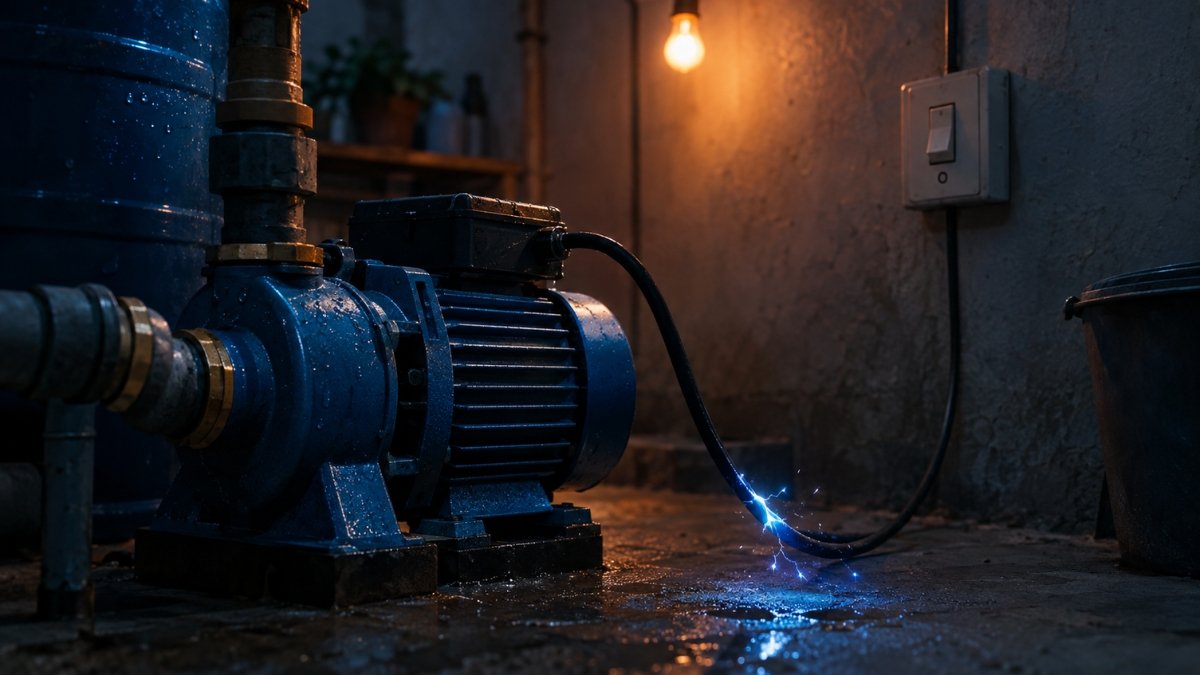
When people think “power surge,” they picture lightning strikes or a full-blown blackout. In reality, most surges are much smaller and much more frequent. Your air conditioner cycling on, a refrigerator compressor kicking in, a storm a few miles away, even the utility company switching grids-all of these send tiny voltage spikes through your home’s wiring dozens of times a day.
Individually, these spikes seem harmless. Over months and years, though, they slowly degrade the sensitive electronics inside modern appliances. Today’s washers, dryers, refrigerators, ovens, and HVAC systems are packed with circuit boards and microprocessors that simply didn’t exist in appliances from twenty years ago. That means today’s appliances are more efficient and “smart,” but also far more vulnerable to power fluctuations than the simple mechanical models of the past.
This is exactly the gap an Appliance Protection Plug is designed to close.
What an Appliance Protection Plug Actually Does
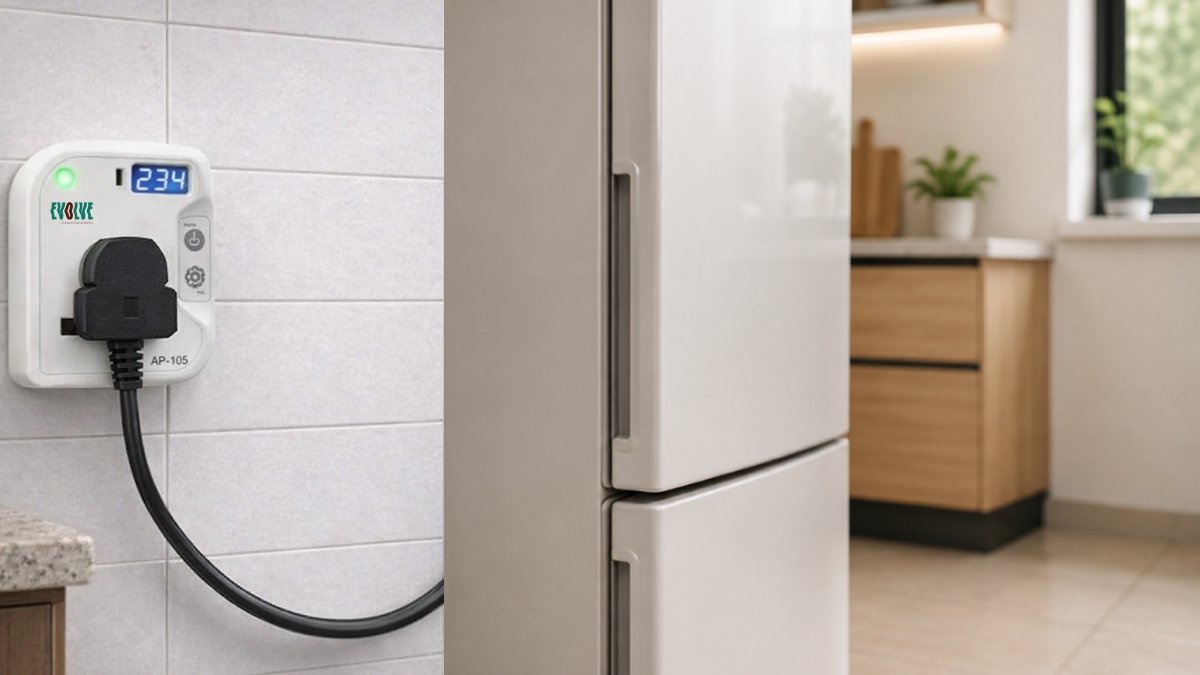
An Appliance Protection Plug sits between the wall outlet and your appliance’s power cord. It monitors incoming voltage and instantly cuts power or absorbs excess energy if it detects a spike, surge, or unsafe fluctuation. Some models also protect against brownouts (when voltage drops too low), which can be just as damaging to compressors and motors as a surge.
Think of it as a bodyguard for your appliance’s electronics. It doesn’t improve performance or add new features; its entire job is to stand in the way of the electrical events that would otherwise fry a control board, damage a motor, or shorten the lifespan of the unit.
The Real Math: Repair Costs vs. Protection Costs
Here’s where the savings actually show up.
A single Appliance Protection Plug typically costs somewhere between ₹800 and ₹1500, depending on the brand and the level of protection it offers. Compare that to the average cost of common appliance repairs:
- Refrigerator control board replacement: ₹5000 – ₹6000
- Washing machine main board repair: ₹2000 – ₹3000
- Dryer control panel replacement: ₹2000 – ₹3000
Even if a protection plug only prevents one repair over its lifetime, it has already paid for itself many times over. And because surges are a recurring risk, not a one-time event, the odds of that plug earning its keep are high, especially in areas with older wiring, frequent storms, or unstable grid power.
There’s also a cost most people forget to factor in: appliance downtime. A broken refrigerator during a heat wave, or a dead washing machine with a family of five, isn’t just an expense, it’s a logistical headache. Preventing the breakdown in the first place avoids all of that stress.
Why Long-Term Use Matters More Than a One-Time Fix
Some people assume surge protection is only necessary during storm season or when moving into a new home with unknown wiring. But the truth is, protection works best as a permanent fixture, not a temporary precaution.
Appliances are long-term investments. A refrigerator might run for 10–15 years, a washer or dryer for 8–12. Over that entire lifespan, the appliance is exposed to thousands of small electrical events. An Appliance Protection Plug left in place for the full life of the appliance provides continuous, quiet protection, no maintenance, no monitoring, no effort required after the initial setup.
This is really the heart of the money-saving argument: it’s not about preventing one dramatic event. It’s about consistently blocking the slow, cumulative damage that eventually shows up as an expensive repair bill.
Which Appliances Benefit Most
While every plugged-in appliance can benefit, some are more vulnerable and more expensive to repair than others:
- Refrigerators and freezers – compressors and control boards are costly to replace, and food loss adds to the damage.
- Washers and dryers – modern units rely heavily on electronic control panels.
- Home entertainment and office equipment – not appliances in the traditional sense, but equally sensitive to power fluctuations.
If you can only protect a few things in your home, start with whatever would hurt your wallet the most to replace.
A Small Habit With a Big Payoff
The appeal of an Appliance Protection Plug is really its simplicity. There’s no subscription, no app to manage, no ongoing decision-making. You plug it in once, and it works quietly in the background for years, standing between your appliances and the electrical noise most homeowners never even notice.
In a world where appliance prices keep climbing, and repair technicians charge more for labor every year, this is one of the rare home upgrades where the cost is small, the effort is minimal, and the long-term savings are very real.
If you’ve been putting off protecting your appliances because it felt like an unnecessary extra step, consider this your reminder: the cheapest repair is always the one you never have to make.