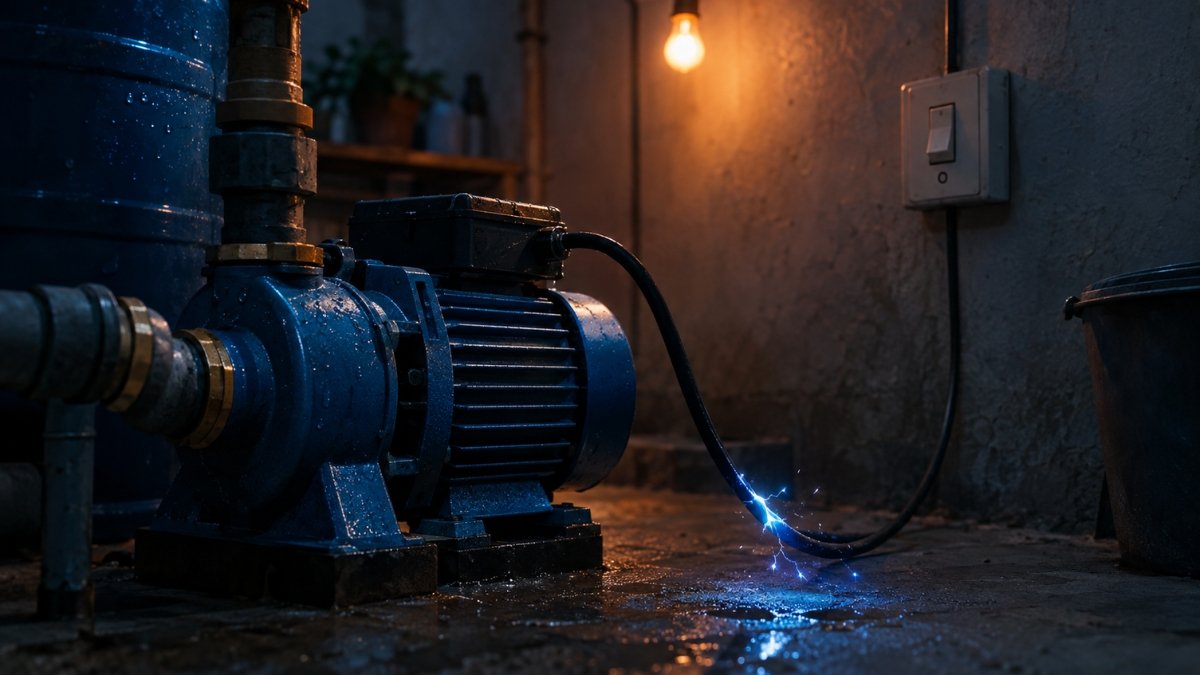
A few months back, my neighbour's inverter got fried during a power cut in the middle of the night. He'd bought it just eight months earlier. Turned out that the wiring at his place couldn't handle the load properly, and nobody had told him that when he bought it. That's basically why I sat down
A few months back, my neighbour’s inverter got fried during a power cut in the middle of the night. He’d bought it just eight months earlier. Turned out that the wiring at his place couldn’t handle the load properly, and nobody had told him that when he bought it. That’s basically why I sat down to write this, because most of us walk into an electrical shop, point at whatever looks decent, and hope for the best. Not exactly a great strategy when you’re dealing with something that can start a fire.
So here’s what I’ve picked up, partly from my own mistakes and partly from people who know a lot more about this than I.
- That socket on your wall isn’t as simple as it looks
Sockets have a load rating, and most people never bother checking it. Plug a heavy appliance like a geyser or an AC into a socket that’s meant for lighter use, and you’re basically inviting trouble. Overheating, tripped circuits, sometimes worse. Before buying new sockets, just ask the shopkeeper what load it’s rated for; it takes two minutes and saves a lot of grief.
- Figure out your actual power usage before shopping
I used to think this step was overkill until an electrician pointed out that my flat’s wiring was undersized for how many appliances I’d added over the years. Two ACs, a washing machine, a fridge, a microwave, all running off wiring designed for half that load. If you’re serious about power protection, this is where it starts. Add up what you’re running, and buy accordingly.
- Don’t skip surge protection, seriously
I ignored this for years. Then a lightning strike near our building took out a neighbour’s smart TV and router in one go, instantly, with no warning. Surge protection devices aren’t expensive, honestly, a few hundred rupees for a decent one, but they’re the difference between your electronics surviving a spike and not.
- Voltage in India is… unpredictable, to put it mildly
If you live anywhere outside a big metro, you already know this. Voltage swings up and down depending on the time of day, the season, and sometimes just because. It’s annoying, but it’s reality. This unpredictability is exactly why appliances quietly wear out faster in India than the manuals suggest.
- Get proper high & low voltage protection sorted
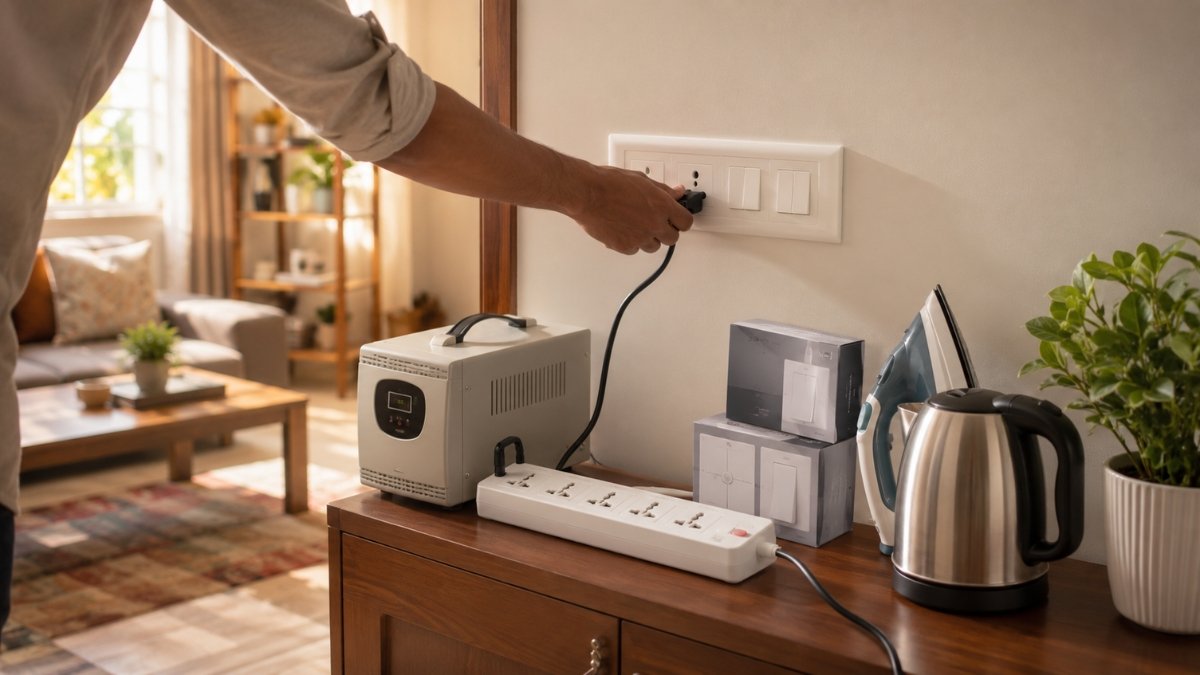
Stabilizers, voltage guards, whatever you want to call them, get one, especially for your fridge and AC. High & low voltage protection matters more here than in most countries because our grid just isn’t as stable. My father’s fridge lasted 19 years because he never skipped this step. Mine didn’t, at first, and I paid for it with a compressor replacement.
- Look for ISI marking, don’t just trust the price tag
Cheaper wires and switches are tempting, I get it. But uncertified stuff is a genuine fire risk. ISI marking isn’t some bureaucratic formality; it actually means the product met a safety standard. Check for it, even if it means paying a bit more.
- Earthing gets ignored way too often
Honestly, most homeowners I’ve talked to don’t even know if their house is properly earthed. It’s not glamorous, nobody notices it when it’s working, but it’s what protects you during a fault. If your building is old, get this checked. Don’t assume it’s fine just because nothing’s gone wrong yet.
- Wire thickness needs to match what you’re plugging in
This one’s easy to overlook because wires are hidden behind walls, out of sight, out of mind. But if you’re adding something new, say an induction stove or a water heater, the existing wiring might not be thick enough. Good appliance protection isn’t just about the plug point; it’s about everything behind the wall, too.
- Modular switches are nice, but don’t buy on looks alone
Sure, the sleek matte-black switches look great in photos. But check the actual build quality and the brand’s track record before falling for the aesthetics. A good-looking switch that fails in a year isn’t a good deal, no matter how it photographs.
- Stick with dealers you actually trust
There’s a lot of duplicate and low-quality stock floating around, especially online. Buy from authorized dealers or well-known brands, even if it means going slightly out of your way. It’s not worth the risk of unknowingly bringing home something unsafe.
None of this is complicated, honestly. It’s mostly common sense that nobody explains to you until something’s already gone wrong. Spend a little time thinking about your power protection, don’t skimp on surge protection, and take high & low voltage protection seriously if you live anywhere with an unreliable grid, which, let’s be honest, is most of India.
Next time you’re at the electrical shop, you’ll actually know what to ask for.