The monsoon is a blessing, but for your water pump, it can be a nightmare. Waterlogging around the motor. Voltage fluctuations from storm-related tripping. Mud and debris are entering the sump, and dry runs occur when the borewell supply drops unpredictably. Every year, thousands of Indian homeowners face pump failures right when they need water
The monsoon is a blessing, but for your water pump, it can be a nightmare.
Waterlogging around the motor. Voltage fluctuations from storm-related tripping. Mud and debris are entering the sump, and dry runs occur when the borewell supply drops unpredictably. Every year, thousands of Indian homeowners face pump failures right when they need water the most, during or just after heavy rain.
The good news? Most of these failures are completely preventable. This checklist walks you through everything you need to do before, during, and after the monsoon to keep your Water Pump Controller system running smoothly all season long.
Why Monsoon Is the Hardest Season for Water Pumps
You might expect the monsoon to be easy on pumps; after all, there’s plenty of water. But the reality is more complicated:
- Voltage instability spikes during storms when multiple grid circuits trip and restore rapidly. Without a high-low voltage protector for the home, your pump motor is exposed to every fluctuation.
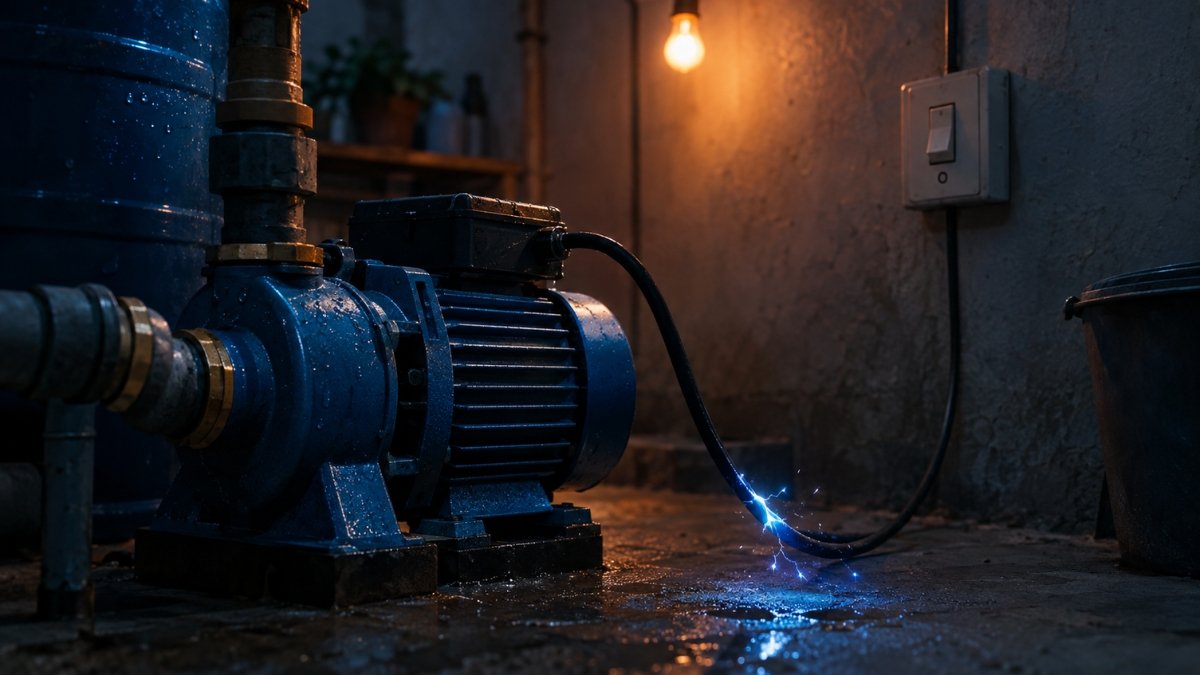
- Flooding around motor bases causes insulation damage, short circuits, and rust, especially for surface-mounted monoblock pumps.
- Borewell supply changes heavy rain can cause soil shifts that temporarily reduce or alter borewell yield, triggering dry run conditions.
- Sump contamination from surface runoff can clog inlet filters and strain pump performance.
- Humidity and condensation inside control panels corrode contacts and trip breakers unexpectedly.
The solution isn’t just waterproofing; it’s building a fully Automatic Pump Control System that handles all of these variables without requiring you to intervene manually every time something changes.
The Pre-Monsoon Checklist (Do This in May–June)
1. Inspect and Clean the Pump and Motor
Before the rains arrive, physically check your pump:
- Remove and clean the inlet strainer or foot valve to clear accumulated debris from summer
- Check motor winding insulation with a megger if possible, or have a technician do it
- Look for rust, corrosion, or cracked casing on surface pumps
- Ensure the motor base is elevated at least 6–12 inches above the likely waterlogging level in your area
For Submersible Borewell Pumps, check the cable condition from the surface. Nicks or exposed wiring underwater during the monsoon can cause short circuits and shock hazards.
2. Install or Upgrade Your Dry Run Protection
This is the single most important upgrade you can make before the monsoon.
When borewell water levels shift due to soil movement or increased extraction by neighbours, your pump can run without any water and burn out within minutes. A Dry Run Protection device detects this condition instantly and cuts power before damage occurs.
Modern Water Pump Controllers from Evolve include built-in dry run detection as part of the Automatic Pump Control System, eliminating the need for a separate add-on device. If your current setup lacks this feature, monsoon is the right time to upgrade.
3. Set Up a Water Level Controller
Overflow is a monsoon-specific problem. With tanks filling faster due to rain harvesting or increased municipal supply, pumps left on manual control often overflow sumps and overhead tanks, wasting water and causing structural seepage.
A Water Level Controller automates the entire fill cycle, starting the pump when the tank is low and stopping it when it is full. No manual switching. No overflow. No dry run from an empty source.
Look for a controller that handles both sump and overhead tank levels simultaneously, with separate sensor inputs for each.
4. Check Your Voltage Protection Setup
Monsoon storms cause frequent and sudden voltage swings. Your pump motor, especially a DOL Motor Starter setup, is vulnerable to both overvoltage spikes and undervoltage sags.
Make sure you have at a minimum:
- A High Low Voltage Protector in line with the pump power supply
- A Voltage Stabilizer if your area has chronic undervoltage issues
- A Surge Protector Plug or Power Protection Plug at the control panel input
For three-phase motor setups, upgrade to a 3 Phase Voltage Protector that monitors all three phases independently. Single-phase failure in a three-phase pump is a common monsoon season motor killer.
5. Upgrade to an Automatic Timer Switch
If you rely on fixed schedules to run your pump, consider replacing manual timers with a smart Automatic Timer Switch that adjusts based on actual tank levels rather than a fixed clock. During the monsoon, water availability changes daily; a fixed timer will either waste power running when the tank is already full, or leave you without water when it runs outside your expected window.
6. Weatherproof Your Control Panel
Humidity during the monsoon corrodes electrical contacts inside control panels within weeks. Before the rains:
- Seal all open cable entry points with waterproof glands or silicone
- Apply a thin coat of contact cleaner to relay terminals and contractor points
- Ensure the panel door gasket is intact
- Mount the panel at least 5 feet above ground level if located outdoors or in a flood-prone area
For DOL Motor Starter panels, check that the overload relay setting matches your pump’s rated current; it tends to drift with thermal cycling over summer.
During Monsoon: What to Monitor
Watch for These Warning Signs
Even with a well-prepared system, monsoon conditions change fast. Keep an eye on:
Repeated tripping: If your pump trips and restarts multiple times in a short period, it’s usually a voltage fluctuation or dry run. A GSM Pump Controller can alert you via SMS when this happens, even when you’re away from home.
Unusual noise from the pump: Cavitation (gurgling or rattling) during operation often means the pump is partially drawing air, an early sign of dry run or a blocked foot valve.
Water colour change: Yellow or muddy water from taps after rain is a sign that surface runoff has contaminated the sump. Stop the pump and clean the sump before continuing.
Pressure drops: If water pressure at your taps weakens despite the pump running, the Automatic Irrigation System or other connected lines may have a blockage from debris.
For Agricultural and Irrigation Setups
If you’re running a Drip Irrigation System or Automatic Irrigation System on agricultural land, the monsoon brings its own set of challenges:
- Excess soil moisture can falsely trigger Moisture Sensor readings; adjust sensitivity thresholds for the season
- Check drip emitters and filters for clogging from silty water after heavy rain
- If your Agricultural Automation setup includes an Automatic Solenoid Valve, test each valve manually at the start of the monsoon to confirm correct operation
- For remote farms, a GSM Pump Controller allows you to remotely start, stop, and monitor your pump, critical when roads may be inaccessible during heavy rain
Post-Monsoon Checklist (September–October)
Once the rains ease, do a full system review:
1. Check Motor Insulation Again
Moisture ingress during the monsoon can reduce insulation resistance significantly. A post-monsoon motor insulation test catches problems before they cause failure in the dry season.
2. Flush the Foot Valve and Strainer
Monsoon silt accumulates in the foot valve. A blocked foot valve reduces pump suction, causing cavitation and motor strain.
3. Inspect All Sensor Probes
If you’re using an SS-probe-type Water Level Controller, clean the probe rods, mineral deposits, and biofilm buildup faster during the monsoon due to higher water activity.
4. Review Your Motor Starter Settings
For DOL Motor Starter panels, verify that the overload settings and contactors haven’t drifted or pitted due to the season’s switching cycles.
5. Test Your Automatic Solenoid Valve
If any solenoid valve shows sluggish response or sticking, clean or replace the diaphragm before it fails in the drier months ahead.
The Smart Setup: What a Fully Monsoon-Ready Pump System Looks Like
For a typical Indian home with a borewell, sump, and overhead tank, here’s what a complete, monsoon-proof Automatic Pump Control System should include:
| Component | Purpose |
| Water Level Controller | Automates start/stop based on tank levels |
| Dry Run Protection | Cuts power when the borewell runs dry |
| High-Low Voltage Protector for Home | Guards the motor from voltage swings |
| DOL Motor Starter | Controls motor starting current |
| Automatic Timer Switch | Backup schedule control |
| Surge Protector Plug / Power Protection Plug | Protects the control panel from spikes |
| GSM Pump Controller (optional) | Remote monitoring and SMS alerts |
With all of these in place, your pump system runs autonomously through the monsoon, protecting itself from dry run, overflow, voltage damage, and flooding, without requiring you to manually intervene every time conditions change.
Final Word: Prevention Costs Less Than Repair
A burnt-out submersible pump motor costs ₹4,000–₹15,000 to replace, plus labour for pulling the pump from the borewell. A DOL Motor Starter replacement, rewiring, and control panel repair after a monsoon surge can run even higher.
The smart investments, a Water Level Controller, Dry Run Protection, and a High-Low Voltage Protector, cost a fraction of that, and they pay for themselves the first time they prevent a failure.
This monsoon, don’t wait for your pump to break down to start thinking about protection. Set it up now, before the first rains arrive.