Walk into almost any office building, and you'll find water working overhead, underground, and behind the walls, in cooling towers, restrooms, kitchens, irrigation lines, and fire suppression systems. Most of it goes unnoticed until something breaks or the water bill jumps 40% overnight. That's usually when facility managers start asking the question they should have
Walk into almost any office building, and you’ll find water working overhead, underground, and behind the walls, in cooling towers, restrooms, kitchens, irrigation lines, and fire suppression systems. Most of it goes unnoticed until something breaks or the water bill jumps 40% overnight. That’s usually when facility managers start asking the question they should have asked years earlier: are we actually managing our water, or just paying for whatever comes through the pipes?
For commercial properties, water isn’t a minor line item. Office towers, retail centers, and mixed-use buildings can burn through thousands of gallons a day without anyone tracking where it’s actually going. The good news is that this is one of the more fixable problems in facility management. With the right water management solutions, buildings can cut waste, avoid costly damage, and meet sustainability targets that tenants and investors increasingly expect to see.
Why Water Management Deserves More Attention
Energy efficiency tends to get all the spotlight in green building conversations. Water quietly sits in the background, even though leaks, inefficient fixtures, and poor system design can cost a building tens of thousands of dollars a year, sometimes without a single visible sign of trouble.
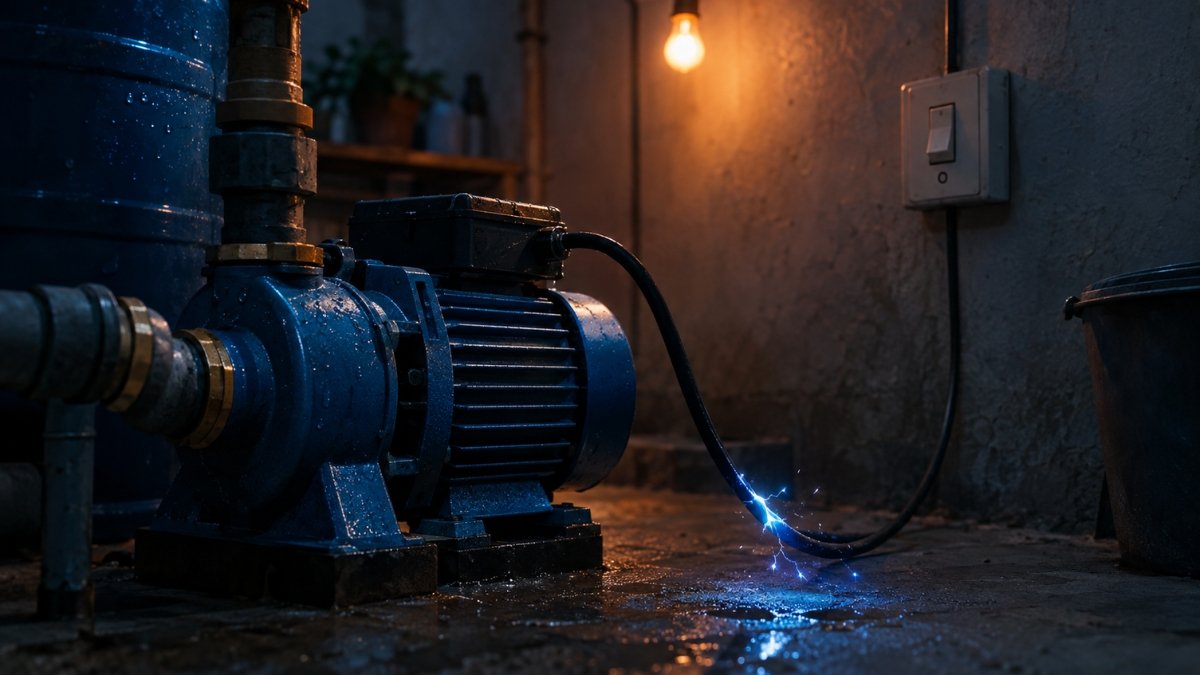
A slow leak behind a wall or under a slab can run for months before it shows up as a stain or a spike in the utility statement. By then, you’re not just paying for wasted water. You’re paying for mold remediation, structural repairs, and possibly downtime for tenants. That’s the real cost of ignoring water: it’s rarely just the water itself.
Common Water Problems in Commercial Buildings
Before looking at solutions, it helps to know what’s actually going wrong in most buildings:
- Undetected leaks in restrooms, kitchens, and mechanical rooms that go unnoticed for weeks
- Inefficient fixtures, older toilets, faucets, and urinals that use far more water than current models
- Cooling tower inefficiencies, which are one of the biggest water consumers in large commercial buildings
- Irrigation overuse, especially in properties with landscaping that’s watered on a fixed schedule regardless of weather
- Lack of real-time visibility, meaning problems are discovered through a bill, not through monitoring
None of these are exotic problems. They’re common, and they’re the reason so many buildings are paying more than they need to.
What Modern Water Management Solutions Actually Look Like
The phrase gets thrown around a lot, so it’s worth breaking down what effective water management solutions actually include in practice.
1. Smart Metering and Leak Detection
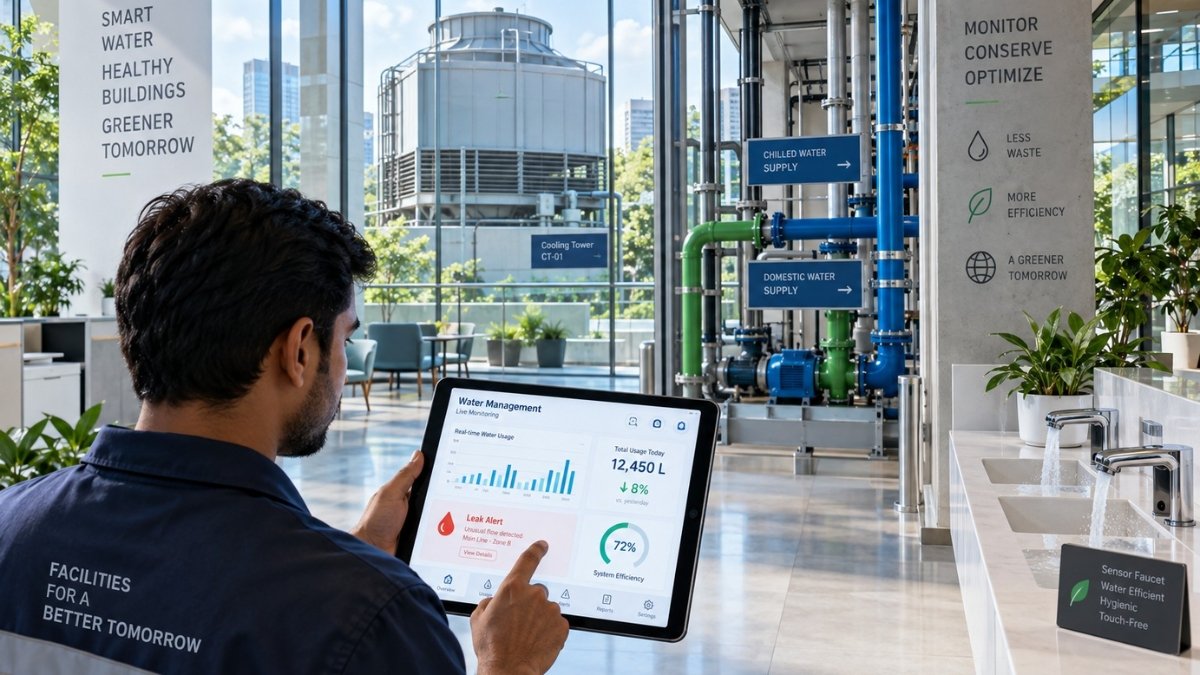
Sensors placed at key points in a building’s plumbing system can flag unusual flow patterns almost immediately. Instead of finding out about a leak when the bill arrives, a facility team gets an alert the same day, sometimes the same hour. Some systems can even shut off water automatically if flow patterns suggest a burst pipe or major leak, which can prevent a six-figure disaster over a holiday weekend when no one’s around to notice.
2. Water-Efficient Fixtures
Swapping old fixtures for low-flow toilets, sensor-activated faucets, and efficient urinals is one of the simplest upgrades a building can make. The payback period is often short, especially in high-traffic buildings like offices, hotels, and retail spaces where fixtures see constant use throughout the day.
3. Cooling Tower Optimization
Cooling towers can account for a huge share of a commercial building’s total water use, particularly in warmer climates. Conductivity controllers, automated blowdown systems, and regular water treatment help these systems run efficiently without wasting water or damaging equipment through scale buildup.
4. Smart Irrigation
Weather-based irrigation controllers adjust watering schedules based on actual conditions instead of a fixed timer. If it rained yesterday, the system knows not to water today. This alone can cut landscaping water use significantly, especially for properties with large grounds.
5. Greywater and Rainwater Reuse
Some buildings are going a step further by capturing rainwater or reusing greywater from sinks and showers for irrigation or toilet flushing. It requires more upfront investment, but for larger properties, it can meaningfully reduce dependence on municipal water supply.
6. Centralized Monitoring Dashboards
Perhaps the most underrated piece of the puzzle is simply having one place to see everything. A dashboard that pulls data from meters, sensors, and equipment across the entire property gives facility teams the visibility they’ve historically lacked. You can’t manage what you can’t measure, and for a long time, water use in commercial buildings has been largely invisible.
The Business Case, Not Just the Environmental One
It’s easy to frame water conservation purely as an environmental initiative, but for building owners and property managers, the numbers matter just as much as the mission. Reduced water bills, fewer emergency repairs, lower insurance claims from water damage, and compliance with increasingly strict local water regulations all add up to a strong financial case.
There’s also a growing tenant expectation around sustainability. Companies leasing office space are paying closer attention to a building’s environmental credentials, and water efficiency is part of that conversation now, not a footnote.
Getting Started Without Overhauling Everything at Once
You don’t need to renovate an entire building to see results. A practical approach usually looks like this:
- Audit current water use, figure out where water is actually going before installing anything new
- Install monitoring and leak detection first; this is often the highest return-on-investment step
- Upgrade the highest-usage fixtures; restrooms and kitchens usually offer the biggest quick wins
- Optimize mechanical systems like cooling towers, which quietly consume more than most people realize
- Reassess irrigation if the property has any outdoor landscaping
Each step builds on the last, and most buildings see measurable savings well before the full plan is complete.
Final Thoughts
Water has been the overlooked utility in commercial real estate for a long time, mostly because it’s cheap compared to electricity and easy to ignore until something goes wrong. But that’s changing. Rising water costs, stricter regulations, and a genuine push toward sustainability are all pushing building owners to take a closer look at how water moves through their properties.
The right water management solutions don’t require a complete overhaul or a massive budget to start making a difference. Sometimes it’s as simple as knowing where the leaks are, upgrading a few fixtures, and finally putting numbers behind what used to be a mystery. For any commercial building looking to cut costs and operate more responsibly, that’s a pretty good place to begin.