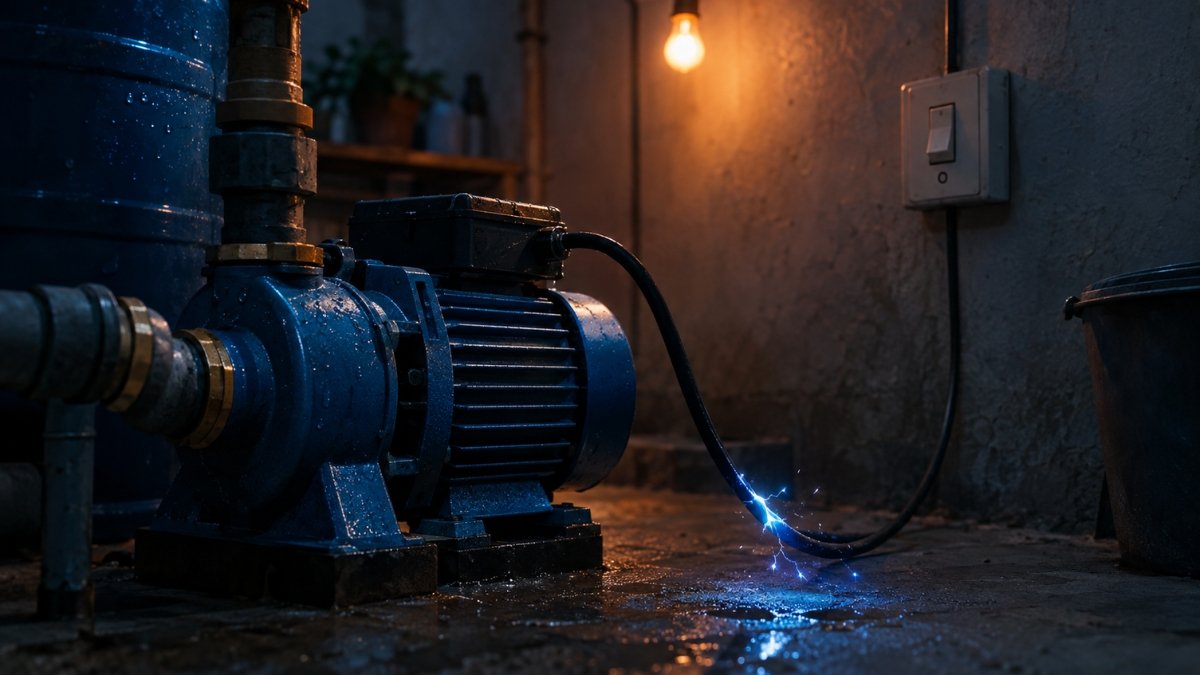
If you've ever walked into your bathroom to find water pouring over the edge of an overhead tank, or worse, turned on the tap and gotten nothing but a hiss of air, you already know why this topic matters. Both problems sound like opposites, too much water versus too little, but they usually come from
If you’ve ever walked into your bathroom to find water pouring over the edge of an overhead tank, or worse, turned on the tap and gotten nothing but a hiss of air, you already know why this topic matters. Both problems sound like opposites, too much water versus too little, but they usually come from the same root cause: nobody is actually watching the tank.
Most homes and buildings still rely on manual checks. Someone climbs up, peeks in, guesses how full it is, and switches the motor on or off based on a hunch. That works fine until it doesn’t. A missed morning turns into a flooded terrace. A forgotten evening turns into a dry shower the next day. Multiply that across an apartment complex or a factory, and you’re looking at wasted water, wasted electricity, and a fair amount of frustration.
The good news is that this is a solved problem. Water management solutions built around simple sensors and automatic controls can take the guesswork out entirely, and they’re a lot more affordable than most people assume.
Why Overflow and Dry Run Happen in the First Place
Before jumping into fixes, it helps to understand why these two issues keep showing up even in households that are otherwise careful.
Overflow usually happens because of:
-
Motors left running while someone gets distracted or steps out
-
No physical indicator showing the tank is nearly full
-
Power cuts that reset timers, so the pump restarts from zero and overshoots
-
Multiple people in a household assuming “someone else” turned it off
Dry running usually happens because of:
-
The borewell or source running low, but the motor keeps trying to pump anyway
-
No cutoff when the tank is genuinely empty, causing motor damage over time
-
Irregular municipal water supply timings that catch people off guard
-
A pump switch left in the “on” position out of habit, without checking the source first
Notice the pattern: in both cases, the actual failure is a lack of real-time information. Nobody knew the tank was full. Nobody knew the source had run dry. Fix that information gap, and you fix both problems at once.
The Core Idea Behind Good Water Management Solutions
A properly designed system does three things automatically:
-
Senses water level continuously, not just at the top and bottom, but throughout the tank
-
Reacts before the extreme happens, cutting power to the motor before overflow, and cutting it before the source runs dry enough to damage the pump
-
Communicates status to whoever needs it: a light, an alarm, a phone notification, or all three
That’s really the whole framework. Everything else is just implementation detail based on your budget and how tech-savvy you want the setup to be.
Practical Options, From Simple to Smart
1. Float Valve Systems
This is the oldest trick in the book, and it still works. A mechanical float rises with the water and physically shuts off the inlet valve when the tank is full. It’s cheap, needs no electricity, and rarely fails. The downside is it only solves overflow; it does nothing for dry running, and it can’t tell you anything remotely, so you still won’t know if the source has stopped.
2. Water Level Controllers with Dual Sensors
These use two sets of probes, one in the overhead tank, one in the sump or borewell. The controller automatically starts the motor when the tank is low and the source has water, and stops it when the tank is full or the source is dry. This single addition solves both problems at once and is honestly the sweet spot for most homes: not too expensive, no ongoing subscription, and it just works quietly in the background.
3. Smart IoT-Based Monitoring
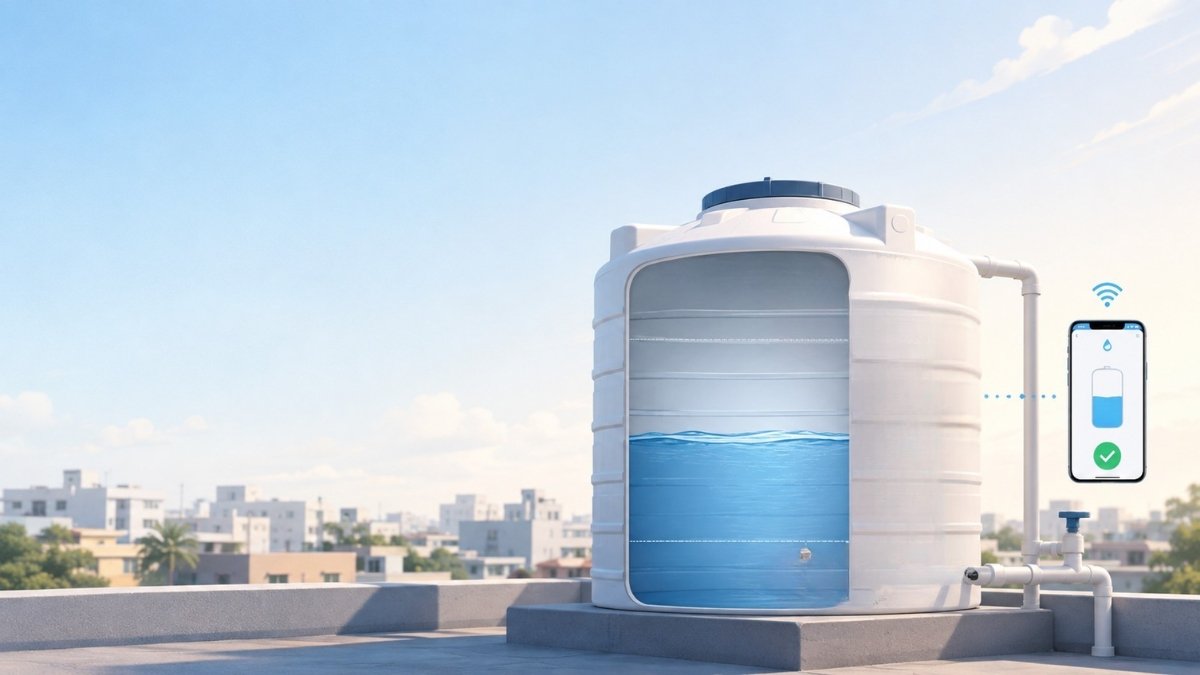
For larger properties, apartment complexes, or anyone who wants full visibility, IoT-enabled tanks send live data to a mobile app. You can check tank levels from anywhere, get alerts before a shortage happens, and even track daily consumption patterns to spot leaks early. This is a bigger investment, but the ability to plan around actual data rather than guesses pays off quickly for buildings with shared water systems.
4. Rainwater Harvesting Integration
This one’s less about sensors and more about supply. Pairing your storage tank with a rainwater harvesting setup means the source itself is less likely to run dry, especially during monsoon-heavy regions. It won’t stop overflow on its own, but combined with a level controller, it reduces how often you’re anywhere near either extreme.
5. Solar-Powered Backup Controllers
Power cuts are one of the sneakier causes of both overflow and dry run, since timers and controllers reset when electricity drops out unexpectedly. A small solar backup for the controller circuit (not the pump itself, which draws too much current) keeps the sensing and cutoff logic running even when the grid goes down.
Choosing What Fits Your Situation
There’s no single “best” option here; it genuinely depends on scale.
-
Single-family home, tight budget: A float valve for overflow plus a basic dual-sensor controller covers 90% of the risk for a modest cost.
-
Apartment building or shared complex: IoT monitoring is worth the extra spend, since it prevents disputes between residents and gives the facility manager actual data instead of complaints.
-
Areas with unreliable power or unpredictable municipal supply: Add the solar backup and consider rainwater harvesting so the source itself is more dependable.
A Few Things Worth Checking Before You Install Anything
-
Make sure sensors are rated for your tank’s material (plastic, concrete, and metal tanks sometimes need different sensor types)
-
Ask about warranty on the motor cutoff relay specifically, since that’s the component that fails most often
-
If you’re in a hard water area, look for corrosion-resistant probes; regular ones degrade faster than you’d expect
-
Test the dry-run cutoff manually once a year; sensors can get coated with sediment over time and stop reading accurately
Final Thoughts
Overflow and dry running feel like two separate headaches, but they really come down to the same missing piece: knowing what’s actually happening inside the tank at any given moment. Once you close that information gap with the right sensors and controllers, both problems tend to disappear together. Whether you go with a fifty-rupee float valve or a full app-connected system, the goal is the same: water that’s there when you need it, and never spilling out when you don’t.